

How Pakistan Responded to Ayatollah Khamenei’s Death
Reports of the death of Ayatollah Ali Khamenei in alleged US-Israeli airstrikes sent shockwaves across the world. The news deeply affected Iran and sparked strong reactions throughout the Muslim community.
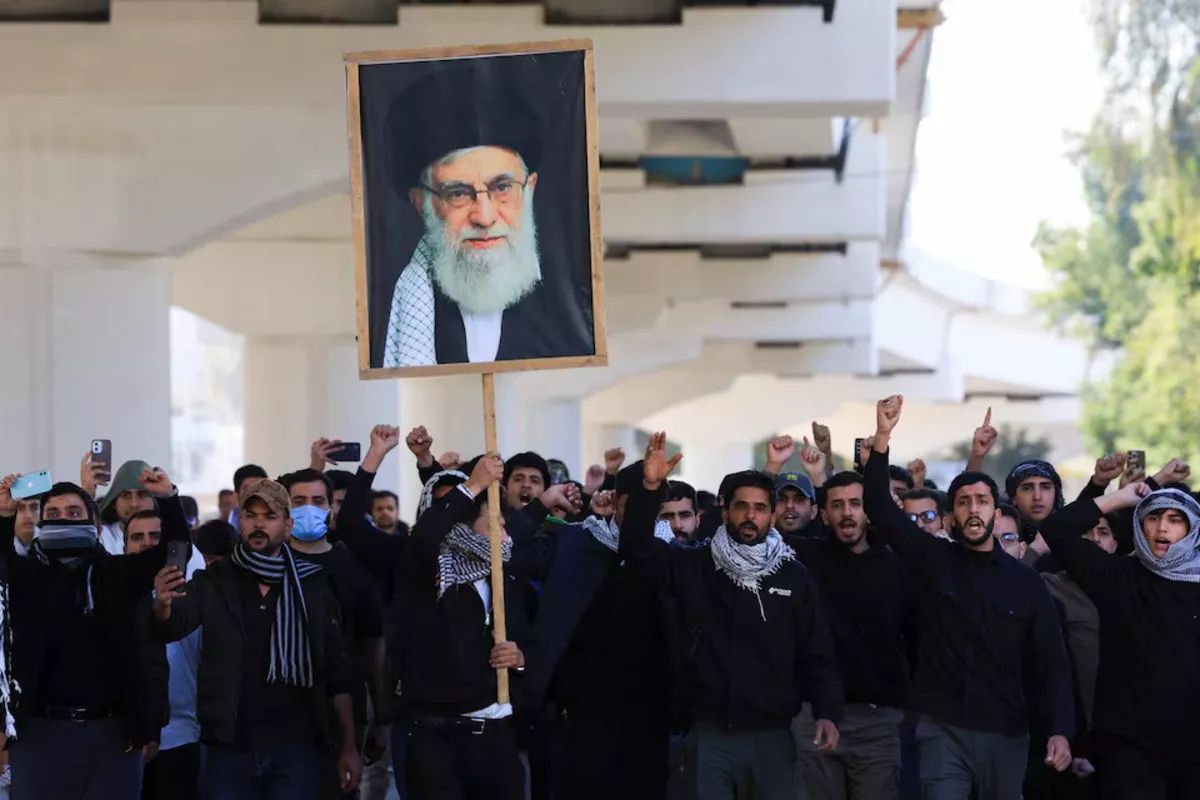
As a neighboring Muslim country with longstanding ties to Iran, Pakistan witnessed immediate public response. Citizens poured into the streets of major cities, expressing grief and anger.
Public Reaction Across Pakistan
Protests erupted in several cities, including Karachi, Islamabad, Lahore, Multan, and Faisalabad. Demonstrators gathered in large numbers to show solidarity with Iran.
In Karachi, protesters assembled outside the US Consulate and condemned the reported US-Israeli strikes on Tehran. In Islamabad, thousands gathered near the Red Zone. Some protesters chanted slogans against the United States and Israel, while others demanded stronger government action.
The situation intensified in parts of Gilgit-Baltistan. Violent clashes broke out in districts such as Gilgit and Skardu. Authorities reported casualties among protesters and security personnel. Some buildings, including public offices and schools, suffered damage.
To restore order, local authorities imposed a three-day curfew in the most affected areas. Security forces deployed additional troops to prevent further escalation.
Government’s Official Response
Pakistan’s government strongly condemned the alleged joint US-Israeli airstrikes on Tehran. Officials expressed sorrow over Khamenei’s reported death and extended condolences to the Iranian government and people.
At the same time, Pakistan’s leadership adopted a cautious diplomatic tone. The Prime Minister criticized rising tensions in the Middle East but avoided direct military alignment. The government aimed to support Iran diplomatically while protecting Pakistan’s broader national interests.
This balanced approach reflects Pakistan’s complex geopolitical position. The country maintains ties with Iran but also seeks stable relations with Gulf states and Western powers.
Rising Regional Tensions
Following the reported strike, tensions escalated across the Middle East. Iran signaled possible retaliation against Israel, raising fears of wider conflict. Analysts warned that prolonged instability could disrupt global energy markets and trade routes.
For Pakistan, such instability carries economic risks. Higher oil prices and regional insecurity could place additional pressure on an already fragile economy.
Public Sentiment and Political Reality
Many Pakistani citizens demanded stronger and more direct support for Iran. Some expressed frustration with what they viewed as a cautious government stance. Protesters emphasized unity with their “Iranian brothers and sisters” and called for justice.
However, Pakistan faces its own internal challenges, including economic instability and regional security concerns. For policymakers, maintaining domestic stability remains a top priority.
Conclusion
The reported death of Ayatollah Ali Khamenei marks a critical moment for the region. In Pakistan, it triggered emotional public reactions, protests, and political debate.
While citizens demonstrated strong solidarity with Iran, the Pakistani government chose a measured diplomatic path. As tensions continue in the Middle East, Pakistan must carefully balance public sentiment, regional stability, and national interests.
