- Die Hard (1988)
- Raiders of the Lost Ark (1981)
- Mad Max: Fury Road (2015)
- The Dark Knight (2008)
- Terminator 2: Judgment Day (1991)
- The Matrix (1999)
- Gladiator (2000)
- Inception (2010)
- Lethal Weapon (1987)
- Die Hard with a Vengeance (1995)
- The Bourne Identity (2002)
- The Avengers (2012)
- John Wick (2014)
- The Rock (1996)
- Speed (1994)
- Kill Bill: Vol. 1 (2003)
- Kill Bill: Vol. 2 (2004)
- The Dark Knight Rises (2012)
- The Incredibles (2004)
- The Terminator (1984)
- Iron Man (2008)
- The Fifth Element (1997)
- Gladiator (2000)
- Braveheart (1995)
- The Raid: Redemption (2011)
- The Revenant (2015)
- Crouching Tiger, Hidden Dragon (2000)
- 300 (2006)
- The Avengers: Infinity War (2018)
- Casino Royale (2006)
- Predator (1987)
- Mad Max 2: The Road Warrior (1981)
- The Equalizer (2014)
- The Transporter (2002)
- The Bourne Supremacy (2004)
- Taken (2008)
- Edge of Tomorrow (2014)
- Rambo: First Blood (1982)
- Aliens (1986)
- John Wick: Chapter 2 (2017)
- Gladiator (2000)
- The Dark Knight Rises (2012)
- The Hurt Locker (2008)
- Speed (1994)
- Captain America: The Winter Soldier (2014)
- Casino Royale (2006)
- Kill Bill: Vol. 1 (2003)
- Kill Bill: Vol. 2 (2004)
- The Revenant (2015)
- The Fugitive (1993)
- 300 (2006)
- The Matrix Reloaded (2003)
- The Matrix Revolutions (2003)
- Avatar (2009)
- The Wolverine (2013)
- Casino (1995)
- RoboCop (1987)
- The Last of the Mohicans (1992)
- The Dark Knight (2008)
- Minority Report (2002)
- Kingsman: The Secret Service (2014)
- District 9 (2009)
- The Rock (1996)
- X-Men: Days of Future Past (2014)
- The French Connection (1971)
- Taken (2008)
- The Equalizer 2 (2018)
- Blade Runner (1982)
- The Patriot (2000)
- The Hunt for Red October (1990)
- Casino Royale (2006)
- Equilibrium (2002)
- The Book of Eli (2010)
- Sicario (2015)
- The Road (2009)
- Wanted (2008)
- Leon: The Professional (1994)
- Face/Off (1997)
- Mission: Impossible – Fallout (2018)
- Mad Max: Beyond Thunderdome (1985)
- The Karate Kid (1984)
- 28 Days Later (2002)
- The Italian Job (2003)
- The Magnificent Seven (1960)
- Air Force One (1997)
- Kill Zone (2005)
- The Grand Budapest Hotel (2014)
- Total Recall (1990)
- Indiana Jones and the Last Crusade (1989)
- Die Hard 2 (1990)
- Speed (1994)
- Face/Off (1997)
- Con Air (1997)
- 28 Weeks Later (2007)
- 16 Blocks (2006)
- Kill Zone 2 (2015)
- Die Hard: With a Vengeance (1995)
- Minority Report (2002)
- The Mechanic (2011)
- Olympus Has Fallen (2013)
- “Ocean’s Eleven” (2001)
- “Heat” (1995)
- “The Italian Job” (2003)
- “Inside Man” (2006)
- “Inception” (2010)
- “The Town” (2010)
- “Logan Lucky” (2017)
- “Now You See Me” (2013)
- “The Thomas Crown Affair” (1999)
- “The Great Train Robbery” (1903) – A classic silent film.
- “Dog Day Afternoon” (1975)
- “The Killing” (1956)
- “A Fish Called Wanda” (1988)
- “The Asphalt Jungle” (1950)
- “Thief” (1981)
- “The Score” (2001)
- “Rififi” (1955)
- “Sexy Beast” (2000)
- “Reservoir Dogs” (1992)
- “The Usual Suspects” (1995)
- “Out of Sight” (1998)
- “Baby Driver” (2017)
- “Mad Money” (2008)
- “Entrapment” (1999)
- “Triple 9” (2016)
- “The Good Thief” (2002)
- “Heist” (2001)
- “The Maiden Heist” (2008)
- “Quick Change” (1990)
- “Set It Off” (1996)
- “Takers” (2010)
- “Money Train” (1995)
- “Trance” (2013)
- “Widows” (2018)
- “The Taking of Pelham 123” (2009)
- “The Spanish Prisoner” (1997)
- “American Animals” (2018)
- “The Thomas Crown Affair” (1968)
- “The Hot Rock” (1972)
- “Small Time Crooks” (2000)
- “A Simple Plan” (1998)
- “Bonnie and Clyde” (1967)
- “Bandits” (2001)
- “The Bank Job” (2008)
- “The Bling Ring” (2013)
- “The Tower Heist” (2011)
- “Logan” (2017)
- “The Old Man & the Gun” (2018)
- “Focus” (2015)
- “Now You See Me 2” (2016)
- Saving Private Ryan (1998)
- Apocalypse Now (1979)
- Full Metal Jacket (1987)
- Platoon (1986)
- Black Hawk Down (2001)
- Das Boot (1981)
- The Thin Red Line (1998)
- Paths of Glory (1957)
- Hacksaw Ridge (2016)
- 1917 (2019)
- Dunkirk (2017)
- Patton (1970)
- Gallipoli (1981)
- We Were Soldiers (2002)
- Bridge on the River Kwai (1957)
- The Deer Hunter (1978)
- The Hurt Locker (2008)
- Letters from Iwo Jima (2006)
- Zulu (1964)
- Black Book (2006)
- Stalingrad (1993)
- The Battle of Algiers (1966)
- The Longest Day (1962)
- The Bridge at Remagen (1969)
- Zero Dark Thirty (2012)
- Jarhead (2005)
- The Patriot (2000)
- Tora! Tora! Tora! (1970)
- Master and Commander: The Far Side of the World (2003)
- Enemy at the Gates (2001)
- Glory (1989)
- The Great Escape (1963)
- All Quiet on the Western Front (1930)
- The Wind That Shakes the Barley (2006)
- Lone Survivor (2013)
- Kelly’s Heroes (1970)
- The Green Berets (1968)
- The Alamo (1960)
- The Messenger (2009)
- 13 Hours: The Secret Soldiers of Benghazi (2016)
- 12 Strong (2018)
- The Last of the Mohicans (1992)
- The Pianist (2002)
- Rescue Dawn (2006)
- The Beast of War (1988)
- A Bridge Too Far (1977)
- Behind Enemy Lines (2001)
- Inglourious Basterds (2009)
- The Boys in Company C (1978)
- Red Tails (2012)
- Battle for Haditha (2007)
- Courage Under Fire (1996)
- 5 Fingers (1952)
- Company of Heroes (2013)
- The Finest Hours (2016)
- Windtalkers (2002)
- Battle of the Bulge (1965)
- The Nightingale (2018)
- A Midnight Clear (1992)
- Attack on the Iron Coast (1968)
- Sergeant York (1941)
- Empire of the Sun (1987)
- The Pacific (2010) – Mini-series
- The Desert Fox: The Story of Rommel (1951)
- The Pacific (2010) – Mini-series
- Enemy at the Gates (2001)
- The Monuments Men (2014)
- Days of Glory (2006)
- Fires on the Plain (1959)
- The Steel Helmet (1951)
- Battle of the Damned (2013)
- Memphis Belle (1990)
- Crimson Tide (1995)
- Attack on the Iron Coast (1968)
- Sergeant York (1941)
- Empire of the Sun (1987)
- The Pacific (2010) – Mini-series
- The Desert Fox: The Story of Rommel (1951)
- Enemy at the Gates (2001)
- The Monuments Men (2014)
- Days of Glory (2006)
- Fires on the Plain (1959)
- The Steel Helmet (1951)
- Battle of the Damned (2013)
- The Longest Day (1962)
- The Bridge at Remagen (1969)
- MAS*H (1970)
- Jarhead (2005)
- The Patriot (2000)
- Tora! Tora! Tora! (1970)
- Master and Commander: The Far Side of the World (2003)
- Glory (1989)
- The Great Escape (1963)
- All Quiet on the Western Front (1930)
- Platoon (1986)
- Come and See (1985)
- Hamburger Hill (1987)
- The Red Badge of Courage (1951)
- Born on the Fourth of July (1989)
- Fort Apache (1948)
Pakistan’s recent political history has been primarily split between four institutions that have dominated the political landscape since a case of exploding mangoes ended Zia’s regime in 1988. These four are the military, the presidency, the judiciary, and major political parties. The power of each has risen and waned across the time period with all uniting against one at times and being divided at others. Similarly, the type of politics undertaken by political parties has also been split into various categories at both federal and provincial levels and has shifted from one form to another. We will look at each government since 1988 to analyze both the institutions and the political strategy prevalent in Pakistan.
In 1988 the government of Benazir Bhutto came into power and no sooner had it formed than all the above-mentioned institutions united against it. Mr. Nawaz Sharif, the other major political party head at the time, formed an alliance with President Ghulam Ishaq Khan and then Army chief Aslam Baig in order to bring about its demise in 1990 via article 52B that allowed the president to dismiss the federal government. Following this Mr. Nawaz was elected prime minister in 1990. In 1993 a struggle for dominance between the presidency and the prime minister began once more when Nawaz attempted to abolish Article 52B. This resulted in then-president Ghulam Ishaq Khan dismissing the government of Nawaz Sharif. However this time the judiciary intervened and struck down the presidency’s move in a ten-to-one decision. Under pressure from then army chief Kakar and opposition leader Benazir, who had called for a long march on the capital unless elections were held, both the president and the prime minister resigned and elections were held which were won by Benazir. However, in 1997 the presidency once more dismissed the government of Benazir Bhutto on national security charges. An alliance between Mr. Nawaz, the presidency, and the judiciary, which unlike in 1993 did not find the dismissal to be illegal, was at play. In the elections that followed Mr. Nawaz won and unlike before faced no challenge from the military since army chief Jahangir Karamat was not inclined to interfere in politics and the presidency under Farooq Leghari was allied. A challenge by Chief Justice Sajjad Ali Shah was thwarted thanks to a complete unison between the other three institutions and he was sent packing. It was only when there was a change of chief of army staff did Nawaz’s regime ended in a direct military coup in 1999. The eight years that followed saw the presidency and military merge since Musharraf, who took over, held both posts simultaneously and the major political parties were diminished via the exile of their leaders and the forming of more compliant parties from within them. The judiciary via the provisional constitutional order was also brought under control.
After 8 years democracy was restored after a split within the military and a movement for the independence of judiciary which led to Mr. Nawaz and Asif Ali Zardari, the husband of late Benazir Bhutto who was assassinated, coming back to electoral politics. The powers of the presidency to dissolve assemblies were clipped in 2008 and afterward, the institution lost its dominance. From 2008 onwards it was the military, judiciary, and political parties that became the main players with the addition of Pakistan Tehreek Insaf under Imran Khan to the political parties section in 2013. Judicial activism especially rose post-2008 and still remains. The cycle of the nineties continued albeit this time with the judiciary dismissing three prime ministers sometimes of its own accord and other times in alliance with the military on flimsy corruption charges except in 2022 when a vote of no confidence was used against then Prime Minister Imran Khan.
It is also worth noting that voting patterns of electoral politics have also shifted greatly in each election held so far. Electoral victories in the country are based on the leader of each major party’s style of politics and on electables who are either influential persons or groups in each constituency and their support. In 1988, 2008, and 2018 it was politics of rhetoric that dominated as votes were cast based on sympathy for assassinations suffered by the Bhutto family and in 2018 due to Mr. Khan’s anti-corruption narrative. Whereas in 1993, 1997, and 2013 it was politics of development that wooed voters as Mr. Nawaz highlighted several infrastructure, power, public transport, education, and health initiatives as his achievements to gain votes. The electable however have always relied on direction from the military to decide who to support and played a more important role in the 1990 and 2018 elections when it came to deciding who forms the government compared to 1988, 1997, and 2013 when it was the respective winning party head that played biggest role. Higher turnout of 40 to 50% also helped in reducing the importance of electable and giving more power to the general voter in these elections.
In the upcoming elections of 2024, the cycle will restart once more and it remains to be seen whether politics of rhetoric or politics of development will take center stage. Voter turnout and whom the establishment throws its weight behind will ultimately be of great importance as well since no party appears to have the capacity for outright victory. At the moment the judiciary, military, and political parties are all divided and in such a scenario it is normally the military that achieves dominance. It is clear that the previous government of Mr. Khan has little chance of attaining power due to its clash with the establishment and another coalition setup like the Pakistan democratic movement (PDM) that can be easily managed is in the offing. Time will tell if the return of Nawaz Sharif after a 4 year exile, should it happen, will be enough to change this scenario though it is guaranteed that no matter who wins they will definitely end up facing the turning of the wheels as well.
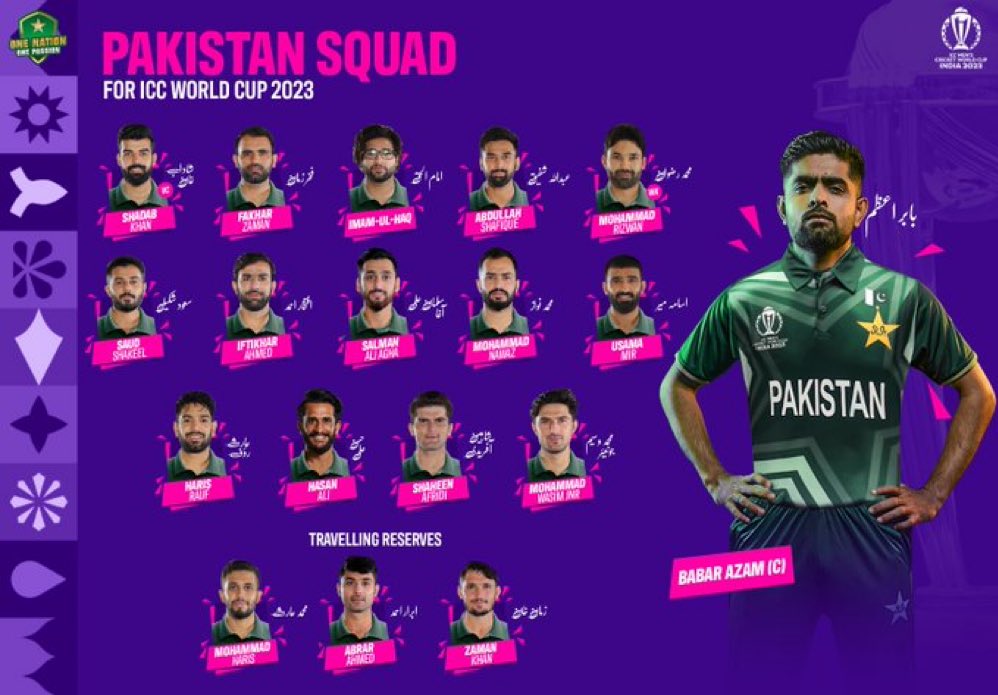
Pakistan have named their 15-player squad for the ICC Men’s Cricket World Cup, which will be held in October and November in India. Consistency and confidence in the current bunch were the keys to the selection as the Inzamam-ul-Haq-led national men’s selection committee made only one change – that was also forced – from the squad that played the recent Men’s ODI Asia Cup 2023.
Fast bowler Naseem Shah has been replaced with Hasan Ali. He had suffered a shoulder injury during the Asia Cup in a match against India on 11 September and was ruled out of the tournament. Following thorough medical examinations and consultations with leading medical experts, Naseem has been advised to undergo surgery. He is expected to recover in three to four months.
Pakistan squad: Babar Azam (captain), Shadab Khan (vice-captain), Abdullah Shafique, Fakhar Zaman, Haris Rauf, Hasan Ali, Iftikhar Ahmed, Imam-ul-Haq, Mohammad Nawaz, Mohammad Rizwan (wk), Mohammad Wasim Jnr, Salman Ali Agha, Saud Shakeel, Shaheen Shah Afridi and Usama Mir.
The selectors have also named three traveling reserves in wicketkeeper-batter Mohammad Haris, mystery spinner Abrar Ahmed, and fast bowler Zaman Khan.
Chief selector Inzamam-ul-Haq said: “World Cup is the most important event in any cricketer’s life and I want to congratulate all the cricketers who have made it to the squad through their impressive performances. This team has performed wonderfully well over the last couple of years and that is why we have shown faith in the same bunch.
“We were forced to make one change because of an unfortunate injury to Naseem Shah. We had a few injury scares in the recent Asia Cup, but I am glad to share that all the players are fully fit and are eager to perform for their country in the all-important tournament. I have received encouraging reports from our medical panel about Haris Rauf. He has started to (shadow) bowl at the National Cricket Academy and will be available for selection.
“I have a firm belief that this squad can bring the World Cup trophy to Pakistan and make the whole nation proud with their incredible performances. It is time to get behind our team and provide them with the backing and support that they need.”
Pakistan will play two warm-ups – against New Zealand on 29 September and Australia on 3 October – before their tournament opener against the Netherlands on 6 October.
Babar Azam’s side enters the mega-event as the number one ranked side and enjoys the best win/loss ratio of 2.400 in this World Cup cycle for any side that has played the One-Day International format.
Pakistan missed out on a semi-final spot in the 2019 iteration of the event because of a lower net run rate to New Zealand, who ended up as runners-up. The team’s best performance came in the 1992 edition when they lifted the trophy at the MCG after defeating England. Pakistan featured in the final of the 1999 edition and reached the semi-finals in 1979, 1983, 1987, and 2011.
Millions of individuals throughout the world are afflicted by mental disease, which is sometimes called a “silent epidemic.” Yet it continues to be veiled in shame, confusion, and false information. For the purpose of fostering empathy, increasing awareness, and paving the way for improved assistance and treatment, it is essential to have a thorough understanding of mental illness. In this piece of writing, we will examine the complexity of mental disorders, dispel myths, and stress the significance of handling mental health with care and compassion.
“You don’t have to struggle in silence, you can be un-silent. You can live well with a mental health condition, as long as you open up to somebody about it” (Demi Lovato)
A variety of problems that influence a person’s thinking, emotion, behavior, or mood fall under the umbrella of mental illness or mental health disorders, which is a broad term. The symptoms of these ailments can take many different forms, including anxiety disorders, depression, bipolar disorder, schizophrenia, obsessive-compulsive disorder (OCD), post-traumatic stress disorder (PTSD), and others.
Mental disease can be influenced by hormone imbalances, brain chemistry, and genetic susceptibility. It is essential to comprehend how biology functions in order to develop effective remedies. The mental health of an individual can be greatly impacted by adverse childhood events, trauma, social isolation, poverty, and ongoing stress. It is crucial to identify and treat these environmental influences in order to prevent mental health problems. Mental health is greatly influenced by personality qualities, coping strategies, and individual reactions to life experiences. For general well-being, it is crucial to build resilience and good coping skills.
Awareness, care, and acceptance of mental health issues are all significantly hampered by stigma. The stigmatization of mental illness is frequently based on misinformation, fear, and other negative traits. In order to combat this stigma, factual information regarding mental illness, its causes, and accessible treatments should be widely disseminated. This will help dispel myths and challenge prejudices. Open conversations regarding mental health encourage people to share their experiences, which promotes empathy and understanding in society. By illustrating how strong, capable, and deserving of care people with mental health illnesses are, personal tales and experiences can help humanize mental illness.
Offering compassion and understanding to persons who are dealing with mental health challenges can help lessen feelings of loneliness and isolation by giving them a sense of community and support. An atmosphere that is supportive of healing and rehabilitation is fostered through compassion. People are more willing to ask for assistance when they feel heard, supported, and understood. A caring culture encourages people to seek assistance without worrying about criticism or prejudice by normalizing mental health conversations.
In the final analysis, we can state that raising awareness of mental illness, combating its stigma, and encouraging compassion are essential steps in creating a culture that promotes the mental health of all of its citizens. “If one remembers to turn on the light, happiness can be found even in the darkest of times.” Prioritizing mental health and working together to remove obstacles, confront misconceptions, and create a more compassionate and welcoming society are shared duties.
After the previous government’s tenure and the continuation of caretaker governments, inflation continues to burden the people. Each day, the caretaker government imposes new inflationary measures on the populace. The caretaker government, not having the people’s mandate, operates without accountability and rushes into arbitrary decisions. These decisions range from raising electricity bills and traffic fines to even regulating firearm licenses, leaving the public dismayed.
These decisions have only exacerbated public anxiety and simmering frustration. Moreover, they are likely to breed corruption instead of increasing the nation’s wealth.
As electric rates rise, people are forced to explore alternative, often illegal means of accessing electricity due to their inability to pay the bills. This, in turn, leads to increased instances of electricity theft, with some department employees turning a blind eye or even actively supporting such activities.
Similar issues arise with elevated traffic fines, particularly within cities, where questionable practices like demanding fines be paid at specific shops or facilitating easy loading have been reported.
The decision to regulate firearm licenses, in a nation already grappling with an abundance of illegal weapons, raises questions of justice. Noble citizens are subjected to invasive licensing procedures, which may further contribute to the proliferation of illegal arms. Banning license renewals and proposing higher fees for existing licenses will only discourage legal compliance and encourage corruption.
Increasing tax rates might seem like a revenue-boosting strategy, but it often backfires as people become more reluctant to pay taxes. Simplifying and minimizing taxes would likely encourage greater compliance.
Agriculture is a cornerstone of our economy, mainly reliant on small-scale farmers who own up to eight acres of land. These farmers face immense financial pressure, barely earning more than laborers. High costs of fuel for running tube wells, tractor operations, and fertilizers further burden them. The exploitative middlemen do not offer fair prices for their crops. Adding extensive reporting requirements adds to their woes, benefiting lawyers more than the farmers. The burdensome Patwar culture only exacerbates their challenges.
It would be prudent to consider land reforms, abolishing the Jagirs, and ensuring more equitable land distribution, as our neighboring country has done. Setting a minimum land threshold for reporting could also be a viable solution.
The rise in street crime, extortion, and confiscation incidents can be attributed to the inflation-induced desperation of the people. “The future looks even more alarming as these issues persist.
Introduction:
The generation gap refers to the differences in beliefs, values, attitudes, and lifestyles between different age groups. It’s a topic that has been discussed and debated for decades, and yet it remains a significant aspect of our society. As we are in the 21st century, the generation gap continues to evolve, presenting unique challenges and opportunities for each generation.
In this blog, we will explore the causes of the generation gap, its implications on society, and how we can bridge the gap for harmonious coexistence.
Causes:
One of the most significant drivers of the generation gap is technology. Older generations grew up in an era where landlines and typewriters were cutting-edge, while younger generations have been brought up in a digital world from birth. This divide in technology adoption and adaptation often leads to misunderstandings and frustrations.
Society is constantly evolving, and each generation experiences its unique set of cultural and societal changes. Values and norms that were acceptable in one generation may not align with the beliefs of the next. These shifts in cultural and social landscapes can create tensions between generations.
Economic disparities between generations can also contribute to the generation gap. Younger generations may face financial challenges such as student loan debt and the high cost of living, which can make it difficult for them to relate to the financial experiences of their parents or grandparents.
Communication styles have transformed with the arrival of technology. Older generations might prefer to write letters, face-to-face conversations, or phone calls, while younger generations often prefer text messaging and social media. These differences in communication can hinder effective inter-generational dialogue.
Implications of the Generation Gap:
The generation gap often leads to misunderstandings and conflicts within families, workplaces, and communities. Different worldviews and communication styles can make it challenging to resolve disagreements or find common ground.
Generational stereotypes can lead to unfair assumptions and prejudices. These stereotypes can affect hiring practices, workplace dynamics, and even political decisions, perpetuating a cycle of discrimination.
Failing to bridge the generation gap means missing out on valuable opportunities for inter-generational learning and collaboration. Each generation has unique knowledge and experiences to offer, and by working together, we can harness this collective wisdom for the benefit of society.
Bridging the Generation Gap:
Effective communication is key to bridging the generation gap. All generations should listen to each other’s perspectives with respect and empathy. Encouraging open dialogue can help break down barriers and build understanding.
Encouraging a culture of lifelong learning can help individuals of all ages stay informed about the world’s changes and challenges. This can foster empathy and a deeper appreciation for the experiences of other generations.
Mentorship programs that pair individuals from different generations can be highly beneficial. Younger individuals can learn from the experience of their elders, while older individuals can gain insights into
the perspectives and skills of younger generations.
Encouraging intergenerational activities within families, schools, and communities can promote understanding and collaboration. These activities can range from volunteering together to organizing family gatherings where all generations can share their stories and experiences.
To bridge the generation gap, it’s essential to challenge stereotypes associated with different age groups. Recognize that individuals are unique and have their beliefs and values can vary widely within their generation.
Conclusion:
The generation gap is a natural part of human society, but it doesn’t have to be a source of division and conflict. By open communication, promoting empathy, and embracing the opportunities for learning and collaboration that intergenerational interactions provide, we can bridge the gap and build a more harmonious and inclusive society. The key is to recognize the value that each generation brings and to work together to create a better future for all.
Resource mismanagement is a serious problem that jeopardizes societal sustainability, economic expansion, and general well-being. The lifeblood of every community or organization is its resources, whether they be natural, financial, or human. Ineffective management of these resources can have far-reaching effects on the present as well as the future. The numerous aspects of resource mismanagement, its effects, and the pressing need for responsible utilization of resources are explored in this article.
Mismanagement of resources is the ineffective, inefficient, or unsustainable use and distribution of resources, including time, money, human capital, and natural resources (such as water, energy, and minerals). It entails behaviors that stray from sensible planning, sensible consumption, and sustainable practices, eventually producing unfavorable results. “Any mismanagement can lead to an unintended result.” Akira Chiba
Various types of resource mismanagement, such as excessive mineral extraction, deforestation, and overfishing, deplete natural resources more quickly than they can replenish, putting ecosystems and biodiversity in peril. When energy-efficient practices aren’t used, unneeded energy is consumed, which increases expenses and damages the environment. Financial mismanagement, fraud, and corruption detract funding from necessary initiatives, impeding economic growth and progress. Procrastination and poor time management may result in lost opportunities, postponed tasks, and decreased production.
Taking Action against Resource Mismanagement needs implementing transparent regulations and holding individuals and organizations responsible for their resource management methods, which is crucial to reducing corruption and financial mismanagement. Adopting sustainable resource management practices, such as sensible resource usage and energy efficiency, contributes to a more sustainable future. Education initiatives that promote wise resource use can alter attitudes and habits to promote better resource management. Utilizing technology and encouraging innovation may result in improved planning, more effective resource use, and wiser decision-making. Governments and organizations must implement and uphold regulations that promote prudent resource management, give priority to sustainability, and sanction wasteful behavior.
To cut a long tale short, resource mismanagement is a worldwide issue that has to be addressed right away. To properly tackle this issue, a thorough and cooperative strategy is required. We can reduce the negative consequences of resource mismanagement and create a more sustainable and just future for everyone through developing sustainable practices, accountability, and innovation.
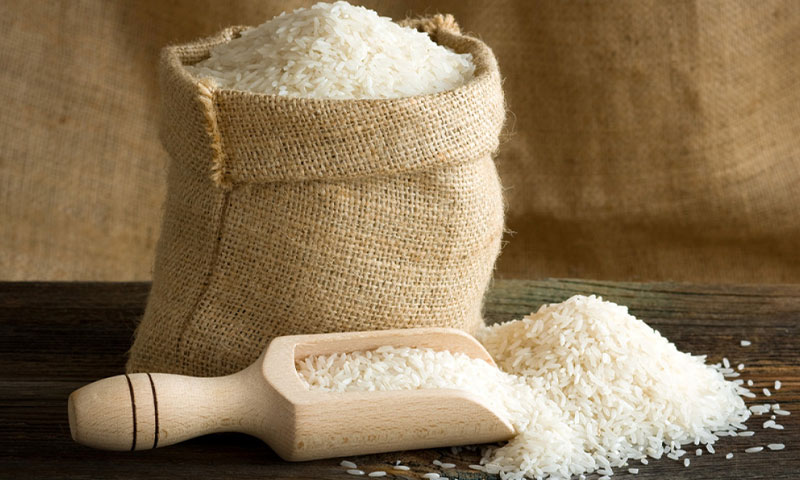
“Ban on Indian Rice Boosts Demand for Pakistani Rice, Opening Up New Markets for Exporters”
Chairman of the Rice Exporters Association, Chela Ram, says that due to the ban on Indian rice, the demand for Pakistani rice has increased tremendously; this year the export of rice is likely to reach 5 million tons. From which 3 billion dollars of foreign exchange will be obtained, while addressing the press conference in Karachi, Chairman Rice Exporters Chela Ram said that this year the export of rice will reach 3 billion dollars for the first time. Last year, Pakistan exported 4 million tons of rice. Due to the ban on Indian rice, there is a huge demand for Pakistani rice. Chairman Rice Exporters said that Mexico has allowed the import of Pakistani rice after several years. After inspecting the plants, Pakistan has opened its markets for rice. The import of Pakistani rice from Russia has also been opened. Rice is buying; there is a demand of 2 lakhs more; Pakistan has had a bumper crop of rice this year.